
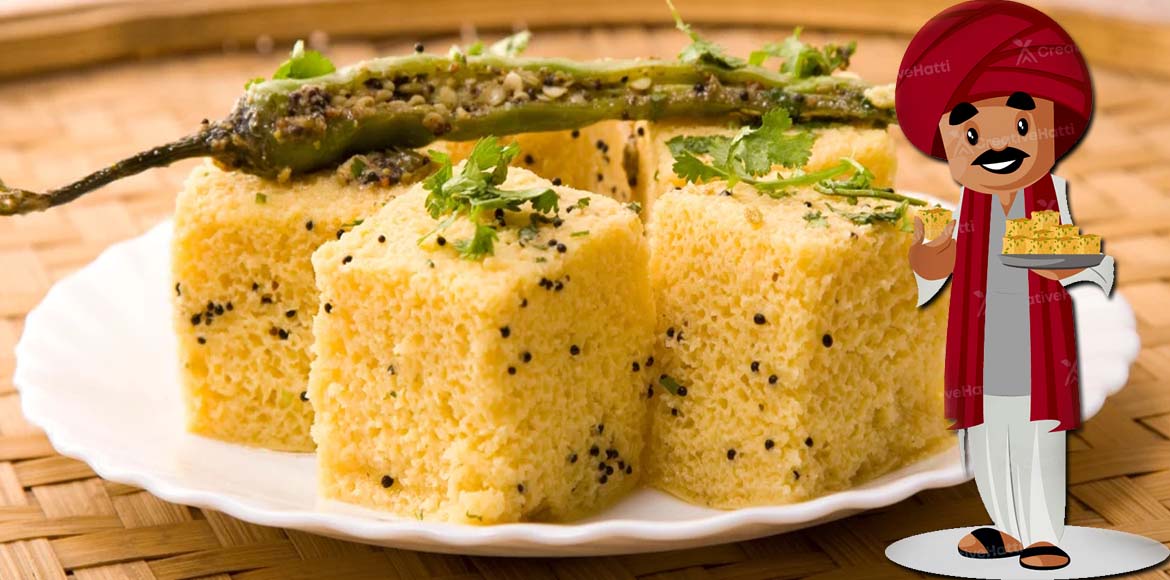
In the vibrant kitchens of Gujarat, a humble yet magical dish takes center stage: Dhokla. Soft, spongy, and golden, dhokla is more than just a snack—it’s a cultural icon that has delighted taste buds across India for decades. Traditionally prepared with gram flour (besan) and sometimes semolina, dhokla is versatile, healthy, and irresistibly tasty.
The journey of dhokla begins with fermentation. The gram flour batter is mixed with spices, a touch of ginger, green chilies, and sometimes a pinch of sugar, then left to ferment. This simple step transforms the batter, enhancing its flavor and nutritional value. Once steamed to perfection, the dhokla is cut into bite-sized pieces and topped with a flavorful tadka of mustard seeds, curry leaves, and green chilies—a signature finish that makes the dish aromatic and irresistible.
But dhokla is not just a treat for your taste buds; it is a health powerhouse.
1. Digestive Health
Thanks to fermentation, dhokla promotes healthy gut bacteria. The dietary fiber in gram flour regulates bowel movements, prevents constipation, and aids digestion. Fermentation also improves nutrient absorption, making every bite both delicious and wholesome.
2. Weight Management
Unlike fried snacks, dhokla is steamed and low in oil, making it an excellent choice for weight-conscious food lovers. The combination of protein and fiber keeps you full longer, helping curb overeating. Moreover, its fiber content stabilizes blood sugar levels, preventing sudden cravings.
3. Heart Health
Fermentation enhances the levels of antioxidants like vitamin C in dhokla. These antioxidants help reduce oxidative stress and inflammation, lowering the risk of heart disease. A light, fat-free snack, dhokla can easily be part of a heart-healthy diet.
4. Nutrient-Rich
Dhokla is not only tasty but also highly nutritious. Gram flour provides protein for muscle repair, fiber for digestion, folate for cell growth, iron for oxygen transport, and magnesium for muscular and neurological health. Every bite is a nutritional powerhouse disguised as a comfort snack.
5. Diabetes-Friendly
For those managing diabetes, dhokla can be a perfect snack. Its high fiber content slows down sugar absorption, preventing spikes in blood sugar levels. It’s a safe, satisfying option for anyone who wants a flavorful treat without compromising health.
Historically, dhokla has been more than just food—it has been a part of Gujarati hospitality, often served with a cup of steaming tea to guests or enjoyed during festive celebrations like Navratri and Diwali. In modern times, dhokla has become a global favorite, appearing in Indian restaurants worldwide, celebrated for its unique texture, tangy flavor, and healthy profile.
From childhood memories of snacking with family to late-night study sessions fueled by steaming dhokla, this humble dish embodies comfort, culture, and care. It’s proof that sometimes, the simplest foods carry the richest stories—and the healthiest benefits.
So next time you bite into a golden, spongy piece of dhokla, remember: it’s not just a snack; it’s a centuries-old culinary gem, bridging taste, tradition, and wellness in every bite.
